

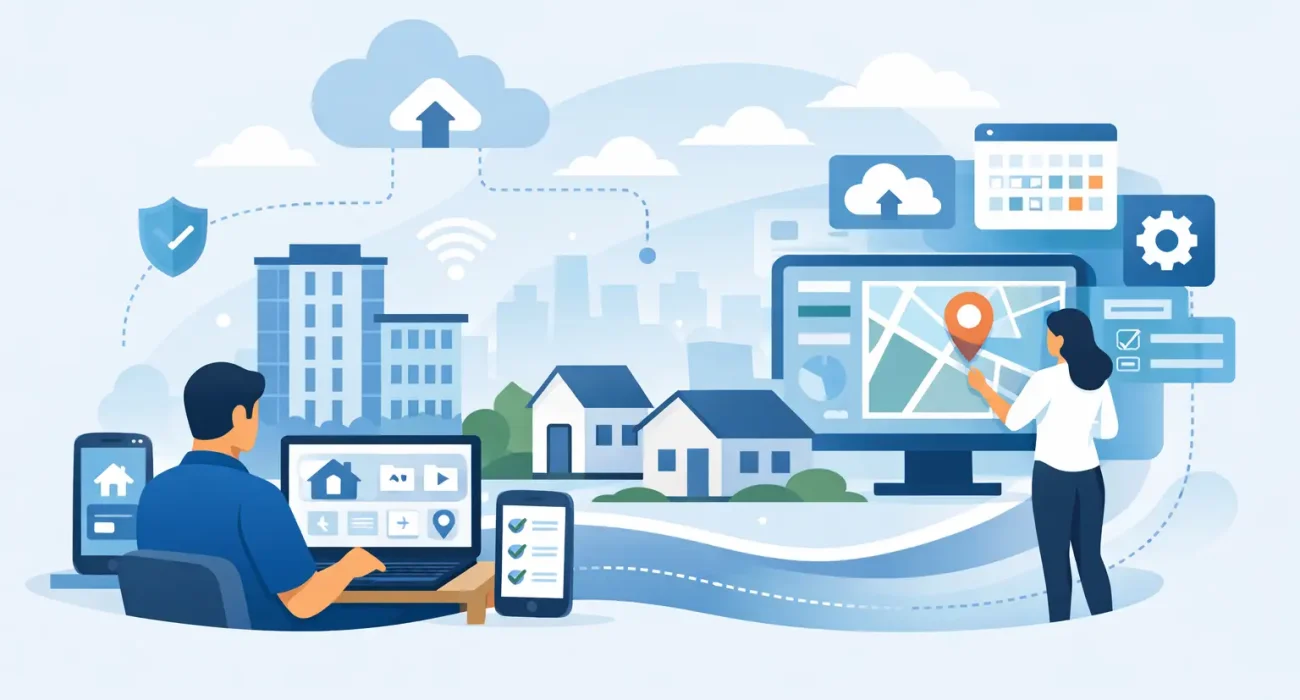
A maintenance request buried in a WhatsApp thread, a lease renewal tracked in a spreadsheet, and payment updates checked manually at the end of the month can quietly drain a property team’s time. Learning how to digitize property management is not about replacing every process overnight. It is about creating one dependable operating system for properties, people, payments, and decisions.
For property owners and managers, the real objective is simple: less chasing, fewer errors, clearer reporting, and a better experience for tenants. The right digital setup gives managers visibility without adding unnecessary complexity to daily work.
Start With the Operational Gaps
Before selecting software, look closely at how work moves through the business. Most property teams do not have one major problem. They have several small disconnects: tenant information in one file, maintenance history in another, invoices in email, and property listings managed separately.
Map the journey from a prospective tenant inquiry through move-in, maintenance, rent collection, renewal, and move-out. Identify where staff re-enter the same information, rely on paper forms, or need to ask several people for an update. Those are the processes where digitization will produce an immediate return.
A small residential portfolio may need a simple system for tenant records, rent status, and maintenance tickets. A mixed-use or commercial portfolio may require stronger controls for unit-level billing, vendor coordination, document approvals, and reporting. The best solution depends on the size of the portfolio, the number of users, and the level of control required.
How to Digitize Property Management in the Right Order
Digitization works best when it follows operational priorities rather than software features. Start with the processes that happen frequently, affect revenue, or create the greatest frustration for tenants and staff.
Centralize property and tenant records
Every property, unit, owner, tenant, lease, and contact should have a single accurate record. This creates a reliable source of information for the whole team. Managers should be able to see occupancy, lease dates, payment status, communication history, and open maintenance issues without searching through folders.
Data cleanup matters at this stage. Importing outdated tenant details or inconsistent unit names into a new platform only transfers the problem. Set standards for naming properties, recording contact details, and storing documents before migration begins.
Digitize lease and document workflows
Lease agreements, ID documents, inspection reports, handover forms, and renewal notices should be stored securely against the relevant tenant or unit record. Automated reminders can alert staff before lease expirations, required documents, or renewal dates are missed.
Digital documents do not remove the need for careful review. Teams still need clear approval rules, access permissions, and retention policies. The benefit is that authorized staff can find the correct version quickly, while management can track what is outstanding.
Create a structured maintenance process
Maintenance is often where fragmented communication causes the most visible damage. A tenant should be able to report an issue with relevant details, photos, and unit information. The request should then be assigned, prioritized, tracked, and closed with a clear record of the work completed.
A good system helps distinguish urgent safety issues from routine repairs. It also makes vendor performance easier to monitor by showing response times, recurring faults, costs, and unresolved tickets. This data is valuable when negotiating service agreements or planning preventive maintenance.
Improve rent collection and financial visibility
Digital payment tracking reduces manual reconciliation and gives managers a current view of outstanding balances. Depending on the business model, the system may support payment reminders, invoices, receipts, late-fee rules, and owner reporting.
Do not assume that every property management platform should replace accounting software. Some businesses need a tightly integrated accounting solution, while others only need clean exports and clear payment records. The key is to eliminate double entry and ensure that financial data is accurate enough for operational decisions.
Choose Software That Fits the Business
The most feature-rich platform is not always the best choice. If a system is difficult for staff to use or cannot reflect local payment, documentation, and reporting needs, adoption will suffer. Property technology should simplify work, not create another system that needs constant management.
When reviewing a property management solution, focus on everyday requirements: tenant and unit records, lease tracking, maintenance workflows, payment status, dashboards, reporting, user access, and mobile usability. Ask how the platform handles data migration, support requests, training, backups, and future integrations.
For businesses operating in Qatar, local implementation support can make a significant difference. Teams may need workflows tailored to their property types, internal approval process, and customer communication preferences. A responsive technology partner can help configure the system around the business rather than forcing the business to adapt to generic software.
Connect the Front Office and Back Office
Property management is not only an internal operation. Prospective tenants and owners often form an opinion of a company before speaking with a manager. A clear website, updated property listings, inquiry forms, and prompt follow-up create a stronger first impression and reduce lost leads.
The ideal setup connects online inquiries to the team responsible for responding. It should also avoid publishing outdated availability or inconsistent property details across channels. When marketing and operations work from the same reliable information, staff spend less time correcting expectations later.
This is especially useful for growing property businesses that want more than administrative efficiency. Better visibility of inquiries, occupancy, tenant service, and renewal activity supports smarter commercial decisions. SDQ Tek helps businesses bring these operational and digital touchpoints together with practical technology and ongoing support.
Roll Out in Phases, Not All at Once
A rushed implementation can cause staff resistance and data mistakes. A phased rollout gives the business time to test workflows, correct issues, and build confidence. Begin with one property, a defined group of users, or one high-impact process such as maintenance requests.
Set measurable goals before launch. For example, a manager may want to reduce the time spent producing monthly rent reports, improve response time for maintenance tickets, or cut the number of lease renewals handled after expiry. These goals make it easier to assess whether the new process is working.
Training should be practical and role-based. Front-desk staff, property managers, finance teams, and maintenance coordinators do not need the same training. Give each group clear instructions for the tasks they perform, along with a simple process for reporting issues or requesting help.
Protect Data and Maintain Control
Digitizing property operations means handling more sensitive information in digital form. Tenant identity records, lease documents, payment information, and owner data need appropriate protection. Use role-based access so employees only see the information required for their responsibilities.
Regular backups, secure passwords, multi-factor authentication where available, and audit trails should be part of the implementation plan. It is also wise to define who can change lease terms, approve refunds, close maintenance tickets, or export reports. These controls protect the business while improving accountability.
The goal is not to make every action difficult. It is to make important actions traceable and prevent avoidable errors.
Measure What Changes After Digitization
Once the system is active, review performance monthly. Look at occupancy levels, overdue payments, renewal rates, maintenance response times, open ticket volume, and staff time spent on reporting. The most useful metrics are the ones tied directly to a business decision or service standard.
If a dashboard shows a growing number of repeat maintenance requests in one building, management can investigate the root cause. If lease renewal reminders improve retention, the team can refine the communication process further. Digital tools create value when managers use the information to act, not when data simply sits in a report.
Property management becomes easier to scale when routine work is visible, repeatable, and accountable. Start with one process that creates daily friction, implement it carefully, and build from there. Each improvement gives your team more time to focus on tenants, assets, and the next business decision.