

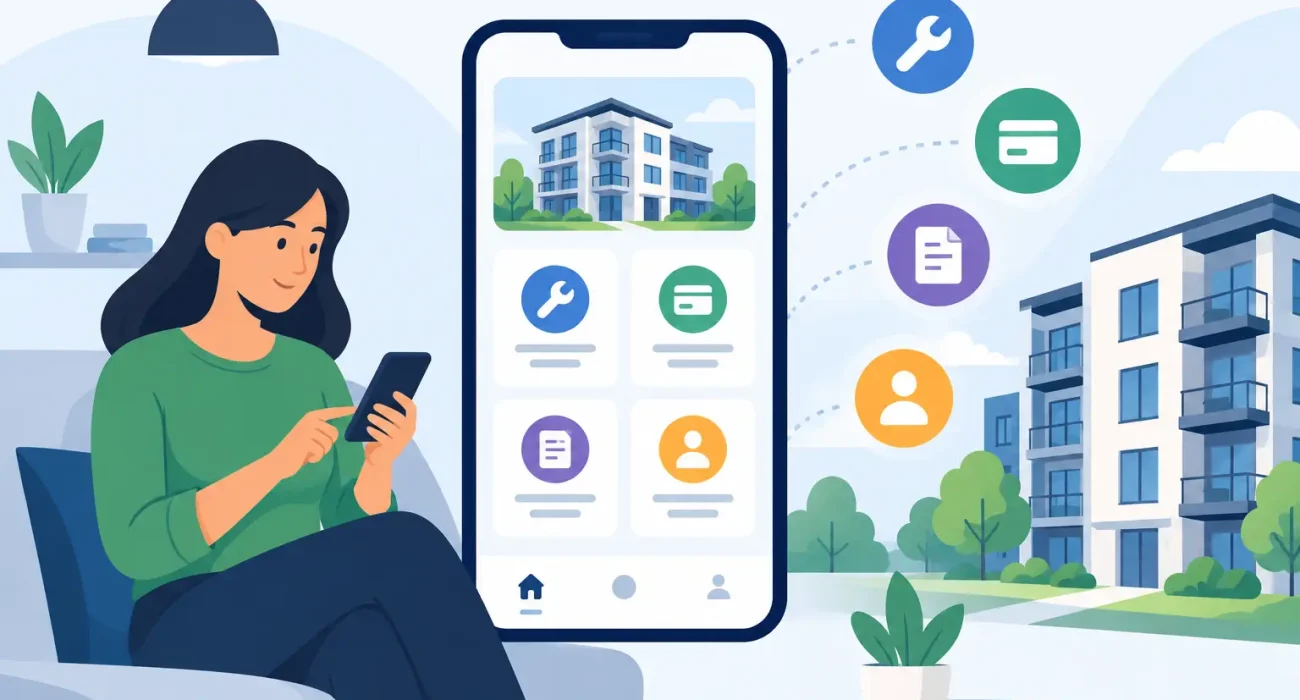
A missed maintenance call, an unclear payment record, or a lease document buried in an email thread can create unnecessary pressure for both tenants and property teams. The right tenant portal features bring these routine interactions into one controlled space, helping property managers respond faster, reduce manual follow-up, and give tenants a more reliable service experience.
For property businesses, a portal should not be treated as an add-on. It is an operational tool that affects cash flow, maintenance turnaround, communication quality, and the time staff spend answering repeat questions. The best setup is not necessarily the one with the longest feature list. It is the one that matches how your properties, tenants, and team actually work.
Tenant Portal Features That Matter Most
A useful tenant portal gives residents a simple place to handle the tasks that previously required office visits, calls, or multiple messages. At the same time, it gives managers a clearer record of what has happened, who is responsible, and what needs attention next.
Online rent payments and payment history
Online payments are often the first feature property owners request, and for good reason. Tenants can pay rent securely at their convenience, while the management team receives a more accurate, timely payment record. A portal should show the amount due, payment deadline, past transactions, and any outstanding balance in a format that is easy to understand.
Automatic payment reminders can reduce late payments without requiring staff to chase every account manually. However, reminders should be configurable. A tenant who has already arranged a payment plan may need a different communication process than someone who has simply missed the due date.
Payment tools should also support the methods your tenants are most likely to use. The right choice depends on your business model, local banking preferences, transaction fees, and the level of reconciliation your finance process requires.
Maintenance requests with status tracking
Maintenance is where a tenant portal can make the biggest daily difference. Instead of receiving incomplete phone messages or vague chat requests, property teams can collect the relevant details from the start: the issue, location, category, photos, urgency, and preferred access time.
Once a request is submitted, the tenant should be able to see its status. Simple updates such as received, scheduled, in progress, or completed reduce the need for repeated calls to the office. For the property team, each request becomes a trackable work item rather than an informal conversation that can be forgotten.
This feature works best when the maintenance workflow is defined before implementation. Decide who reviews incoming requests, what qualifies as urgent, how contractors are assigned, and when a job can be marked complete. Software creates visibility, but it cannot replace a clear service process.
Centralized documents and lease access
Tenants should not have to search through old emails to find a lease, move-in guide, payment receipt, building rules, or renewal notice. A document center gives them access to the records they need while helping the property team maintain one approved source of information.
For managers, this can reduce administrative requests and support better compliance. Documents can be organized by tenant, unit, or property, with permissions that prevent residents from seeing information that does not apply to them.
Not every document should be permanently available to every user. Sensitive files, expired agreements, and internal records require access controls. A portal should make it clear which documents are for tenants and which remain for authorized staff only.
Announcements and targeted communication
Building-wide notifications are useful for planned maintenance, service interruptions, policy reminders, parking updates, and community notices. Rather than sending the same message across separate channels, a portal can create a visible communication record that tenants can revisit when needed.
Targeting matters. A water shutdown may affect one building or floor, not an entire portfolio. The ability to send notices by property, building, unit type, or tenant group keeps communication relevant and avoids message fatigue.
A portal should support communication, not become another inbox that staff must monitor without structure. Establish response expectations and decide which matters should stay within the portal versus being handled by phone, email, or emergency channels.
Lease renewals and move-in or move-out workflows
Renewals often involve repeated reminders, document sharing, approval steps, and payment coordination. Tenant portal features can organize this process by presenting renewal offers, required documents, deadlines, and next actions in one place.
The same applies to move-ins and move-outs. New tenants can receive welcome information, required forms, access instructions, and property rules before arrival. Departing tenants can follow a defined checklist for inspections, keys, final balances, and handover requirements.
These workflows are especially valuable for growing property businesses because they reduce dependence on individual staff members remembering every step. They also create a more consistent experience across properties and tenants.
Features That Give Management Better Control
A tenant-facing portal should also make life easier for the people responsible for operations. If staff still need to copy data into spreadsheets, search across messages, and manually update payment or maintenance records, the portal is not doing enough.
Role-based access and internal accountability
Property owners, managers, leasing staff, accountants, maintenance coordinators, and external vendors need different levels of access. Role-based permissions help ensure that each person sees the information needed for their work without exposing confidential tenant or financial data.
Clear ownership is equally important. A maintenance request should have an assigned person. A renewal should have a responsible team member. An overdue balance should be visible to the appropriate finance contact. This accountability prevents tasks from disappearing between departments.
Reporting and operational visibility
A portal should provide useful information without creating reports that nobody reviews. Property managers typically benefit from a clear view of payment collection, overdue balances, open maintenance tickets, average resolution times, lease expiry dates, and common service issues.
The goal is not data for its own sake. It is faster decisions. If one property has a higher volume of plumbing requests, management can investigate recurring causes. If renewal activity is slow, the team can act before vacancies become a larger revenue issue.
Mobile access and practical usability
Tenants are more likely to use a portal if it works well on a phone. Payments, service requests, document viewing, and notifications should be straightforward on smaller screens. A complicated portal may have every feature on paper but still generate calls and walk-in requests because people avoid using it.
Usability also matters for staff. Dashboards should be clear, forms should be easy to complete, and the most common actions should not require excessive steps. During implementation, test the portal with real users and real scenarios, not only with a software demonstration account.
How to Choose the Right Tenant Portal Setup
Start with the problems that cost your team the most time. For some property businesses, the immediate priority is improving rent collection. For others, it is bringing maintenance requests under control or creating a more organized move-in process. A portal should address these priorities first, then expand as operations mature.
Before selecting a solution, consider four practical questions:
- Can it connect with your property management, accounting, or payment processes?
- Does it provide the permissions and data controls your business requires?
- Is the experience simple enough for tenants and staff to use consistently?
- Will you receive responsive implementation and ongoing support when processes change?
Integration deserves special attention. A portal that does not connect with the systems your team already uses can create duplicate work instead of reducing it. In some cases, a standalone portal is suitable for a smaller operation. In others, an integrated property management system is the better long-term decision.
Security should be part of the conversation from the beginning. Tenant portals may contain personal details, payment information, lease records, and maintenance history. Strong user authentication, controlled permissions, secure payment handling, regular backups, and reliable support are practical requirements, not optional extras.
Implementation Is Where Value Is Created
A successful portal rollout involves more than turning on software. Property teams need to clean up tenant records, define workflows, prepare templates, assign responsibilities, and communicate the new process clearly. Tenants also need a reason to adopt it. Explain what they can do through the portal, how it saves time, and where they can get help during the transition.
It is usually smarter to launch with the highest-value functions first, such as payments, maintenance requests, and documents. Once adoption is established, add renewal workflows, announcements, reporting, or other capabilities based on real feedback.
SDQ Tek helps property-related businesses implement practical business systems that fit their operating needs, with hands-on support from setup through daily use. The objective is simple: give teams better control without adding unnecessary complexity.
The strongest tenant portal is not the one that promises everything. It is the one that makes the next payment, request, update, or renewal easier for tenants and more visible for your team. Start with the friction your business faces most often, then build a portal process your staff can depend on every day.