

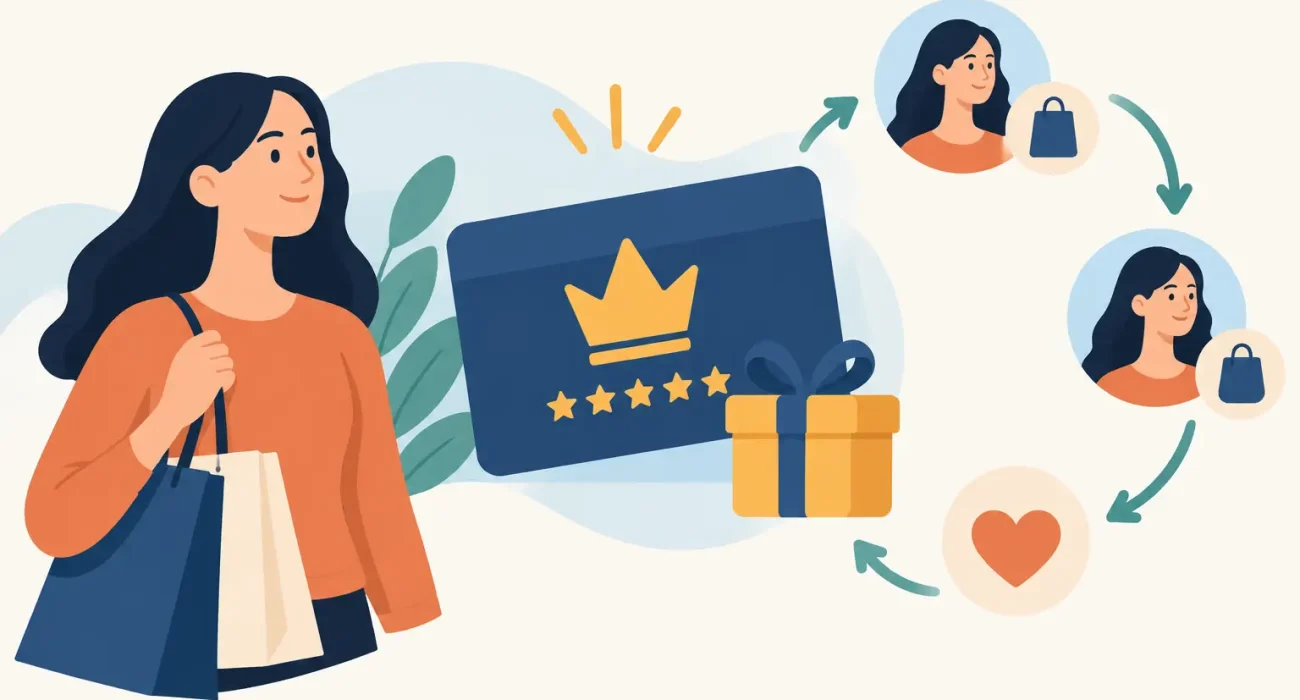
A customer who visits once is a transaction. A customer who returns, spends more, and recommends your business is a growth channel. That is why the decision to launch loyalty program initiatives should not begin with points or discounts. It should begin with a clear plan for encouraging profitable repeat behavior.
For restaurants, retailers, and service businesses in Qatar, loyalty programs can turn customer data into practical action. They can help staff recognize returning guests, give customers a reason to choose your business again, and show management which offers produce real revenue. But a poorly designed program can create unnecessary discounting, frustrate customers, and add work at the checkout counter.
The difference is in the setup. A loyalty program needs to fit your operation, your customer base, and the technology your team uses every day.
Start With the Business Result You Want
Before selecting software or deciding on rewards, define the commercial result that matters most. A restaurant may want to increase weekday visits or bring back customers who have not ordered in 30 days. A retail store may want to raise average order value, introduce shoppers to a new product category, or reduce reliance on broad price promotions.
A loyalty program can support several goals, but it works best when one priority leads the design. If your objective is frequency, reward repeat visits. If you need larger baskets, offer a benefit after customers reach a spending threshold. If you want customer contact details for future campaigns, make enrollment quick and give a meaningful immediate reason to join.
Avoid measuring success only by enrollment. A long list of inactive members has limited value. Track how many enrolled customers return, how often they redeem rewards, how their spending compares with non-members, and whether the program improves gross profit after reward costs.
Build a Reward Customers Can Understand
The best loyalty structure is easy to explain in one sentence. Customers should know what they earn, when they can use it, and why joining is worthwhile. If a cashier needs to explain multiple tiers, exceptions, expiry rules, and product exclusions during a busy sale, the program is too complicated.
Points-based programs are familiar and flexible. They can work well for businesses with varied purchase values, such as retailers, cafes, and restaurants with delivery, dine-in, and takeaway orders. Visit-based programs are simpler when transactions are similar, such as a coffee shop offering a reward after a set number of purchases.
Cashback or store-credit models can feel valuable, but they require careful margin control. A reward that is too generous may increase redemptions without creating additional profitable visits. A reward that is too small may not change customer behavior at all. The right balance depends on your average transaction value, gross margin, purchase frequency, and customer expectations.
Start with a reward that is achievable but not immediate. Customers should feel progress after their first purchase, while your business still benefits from several visits before the reward is redeemed. Review the numbers after the first few months and adjust based on actual usage rather than assumptions.
Connect Loyalty to Your POS Workflow
A loyalty program should support the checkout process, not slow it down. This is where POS integration matters. When customer enrollment, point earning, reward redemption, and reporting happen inside the same system used for billing, staff can process transactions with fewer manual steps and fewer errors.
For a restaurant, this may mean connecting loyalty activity to dine-in orders, takeaway, delivery, and QR code menu purchases. For a retailer, it means making sure returns, exchanges, promotions, and split payments are handled correctly. If customers earn points in one channel but cannot redeem them in another, confidence in the program falls quickly.
Choose identifiers that are practical for your audience. Mobile numbers are often the simplest option because customers are unlikely to forget them. A digital membership card or QR code can also work, especially when paired with a fast enrollment process. Physical cards may suit some businesses, but they introduce replacement costs and are easier to lose.
Your team should be able to answer basic questions without calling a manager: Is this customer enrolled? What reward is available? Can this offer be combined with another promotion? Clear system rules and staff training prevent inconsistent treatment at the counter.
Prepare Your Team Before You Go Live
Customers judge a loyalty program through the people serving them. Even strong technology will underperform if staff members do not mention the program, cannot enroll customers quickly, or give different explanations from one shift to the next.
Train employees on the business purpose as well as the process. When staff understand that loyalty helps bring customers back, they are more likely to introduce it naturally. Give them a short, consistent enrollment message, such as: “Would you like to earn rewards on today’s purchase?” That is more effective than a long sales script.
Run test transactions before launch. Create sample customer accounts, earn points, redeem rewards, process returns, and test transactions across each sales channel. Check what appears on receipts and confirm that reports accurately reflect the activity. It is far better to identify a rule problem during testing than to explain a missing reward to a paying customer.
Management should also define who handles exceptions. For example, decide in advance how to respond if a customer changes a phone number, disputes a points balance, or requests a reward after a system interruption. A clear policy protects both customer trust and staff confidence.
Launch Your Loyalty Program With a Focused Offer
A quiet launch often produces quiet results. Give existing customers a reason to enroll now, without setting a discount expectation that is difficult to sustain. A limited-time welcome reward, bonus points on the first purchase, or a small benefit for joining during launch week can create early momentum.
Promote the program where customers already interact with your business: at the checkout counter, on receipts, through QR code menus, in email messages, and across your social media channels. Keep the message consistent. Explain the immediate benefit, not every technical detail.
The launch period is also the right time to listen. Ask staff where enrollment slows down. Notice whether customers understand the reward. Watch for common questions. If customers repeatedly ask when points will appear or how to redeem them, improve the message or simplify the rule.
Do not rely on one announcement. Customers may need to see the program several times before joining. Regular, relevant reminders are more effective than constant generic promotion. For example, a restaurant can remind a customer about an available reward before a typical reorder period. A retailer can invite inactive members back with an offer tied to products they have previously purchased.
Use Customer Data Carefully and Productively
A loyalty program creates useful information, but only if the business turns it into action. Review purchase frequency, average spend, redemption behavior, popular items, and periods of inactivity. These patterns can guide campaigns, inventory choices, staffing decisions, and promotional timing.
Segment customers instead of sending every offer to every member. Frequent customers may respond well to exclusive access or a higher-value milestone reward. New members may need a second-visit incentive. Customers who have been inactive for several weeks may need a timely reminder that feels relevant rather than repetitive.
Respect privacy and collect only information you can use responsibly. Explain what customers are signing up for, keep records secure, and avoid excessive messaging. A loyalty program should make customers feel recognized, not monitored.
Review Profitability, Not Just Participation
Once the program is running, set a monthly review routine. Compare member and non-member sales, repeat purchase rates, average transaction value, reward costs, and the number of customers who become inactive. Look at results by location, channel, and campaign where relevant.
There will be trade-offs. A high redemption rate can signal strong engagement, but it may also indicate that rewards are too easy to earn. A low redemption rate can protect short-term margin, but customers may see little value in remaining enrolled. The goal is not to minimize rewards. It is to use rewards to produce customer behavior that supports sustainable revenue.
A loyalty program is most valuable when it becomes part of a connected operating system rather than a separate promotion. With the right POS setup, practical reporting, and staff-ready processes, it can support better customer relationships without adding friction to daily operations. SDQ Tek can help businesses align loyalty features with their POS and digital customer experience, so the program is built for measurable growth from the start.